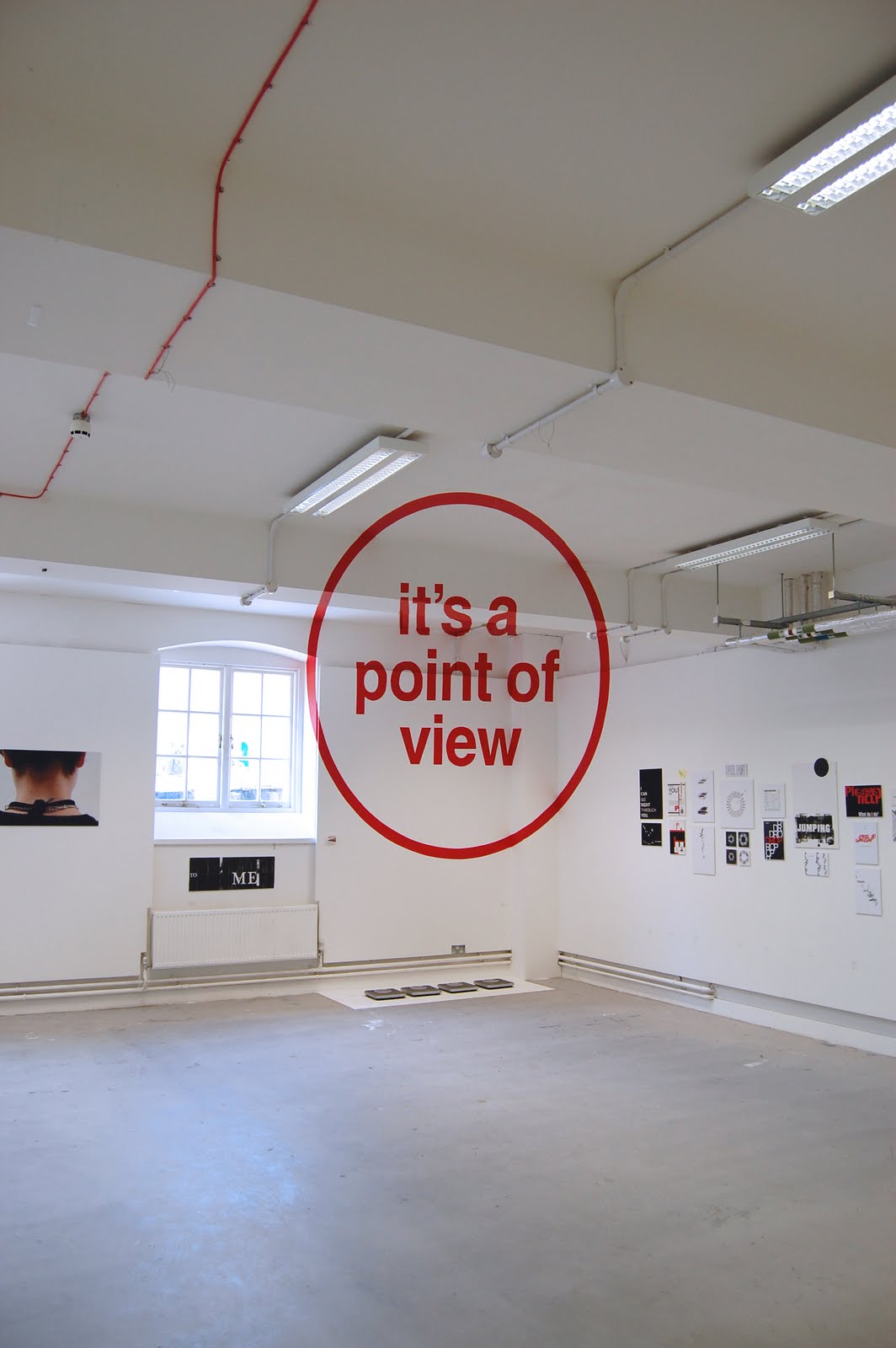
Convocatoria


GraciasXFavor Invierno.
Envía ya tus propuestas a graciasxfavor@teatropradillo.com
D.
Etiquetas: tea-tron, teatrillo, una cosita que organizo
entrada de Tina Paterson a las
julio 30, 2010
0 comentarios

En vanguardia del despropósito
Etiquetas: tea-tron, teatrillo, una cosita que organizo
entrada de Tina Paterson a las
julio 30, 2010
0 comentarios

Etiquetas: Fronton Beti-Jai, Tabacalera para el barrio, una cosita que organizo
entrada de Tina Paterson a las
julio 28, 2010
0 comentarios

Etiquetas: con estas manitas, diseñitos extras, Tabacalera para el barrio
entrada de Tina Paterson a las
julio 28, 2010
0 comentarios

Etiquetas: La flor de Lavapies, Tabacalera para el barrio, una cosita que organizo
entrada de Tina Paterson a las
julio 28, 2010
0 comentarios
"Si tienes penas,
no se las cuentes a los amigos,
que les divierta su puta madre".
Etiquetas: Espein is diferen, verdades como puños
entrada de Tina Paterson a las
julio 27, 2010
0 comentarios

Etiquetas: En Madrid, la gente ese saco de mierda
entrada de Tina Paterson a las
julio 23, 2010
0 comentarios

Etiquetas: este tío soy yo, modernillos del mundo, Tabacalera para el barrio
entrada de Tina Paterson a las
julio 22, 2010
0 comentarios

Etiquetas: con estas manitas, con simpatia y agrado, diseñitos extras, La flor de Lavapies, una cosita que organizo
entrada de Tina Paterson a las
julio 21, 2010
0 comentarios

The most important point is that our devotion to technology blinds us to the issue of what education is for. In America, we improve the education of our youth by improving what are called “learning technologies.” At the moment, it is considered necessary to introduce computers to the classroom, as it once was thought necessary to bring closed-circuit television and film to the classroom. To the question, “Why should we do this?” the answer is: “To make learning more efficient and more interesting.” Such an answer is considered entirely adequate, since, to the technological fundamentalists, efficiency and interest need no justification. It is, therefore, usually not noticed that this answer does not address the question, “What is learning for?”
“Efficiency and interest” is a technical answer—an answer about means, not ends—and it offers no pathway to a consideration of educational philosophy. Indeed, it blocks the way to such a consideration by beginning with the question of how we should proceed rather than with the question of why. It is probably not necessary to say that, by definition, there can be no education philosophy that does not address what learning is for. Confucius, Plato, Quintilian, Cicero, Comenius, Erasmus, Locke, Rousseau, Jefferson, Russell, Montessori, Whitehead, Dewey—each believed that there was some transcendent political, spiritual, or social idea that must be advanced through education. Confucius advocated teaching “the Way” because in tradition he saw the best hope for social order. As our first systematic fascist, Plato wished education to produce philosopher kings. Cicero argued that education must free the student from the tyranny of the present. Jefferson thought the purpose of education is to teach the young how to protect their liberties. Rousseau wished education to free the young from the unnatural constraints of a wicked and arbitrary social order. And among John Dewey's aims was to help the student function without certainty in a world of constant change and puzzling ambiguities.
What does technology have to do with finding a profound reason for educating the young?
Nothing.
Neil Postman: Deus Machina
TECHNOS QUARTERLY Winter, 1992
Etiquetas: Locuras varías
entrada de Tina Paterson a las
julio 21, 2010
0 comentarios


Etiquetas: con estas manitas, con simpatia y agrado, En Madrid, fotillos, Tabacalera para el barrio, una cosita que organizo
entrada de Tina Paterson a las
julio 20, 2010
0 comentarios


Etiquetas: En Madrid, fotillos, mi vida es asín, Tabacalera para el barrio
entrada de Tina Paterson a las
julio 20, 2010
0 comentarios
Etiquetas: viva adoneo viva el cachondeo
entrada de Tina Paterson a las
julio 19, 2010
0 comentarios
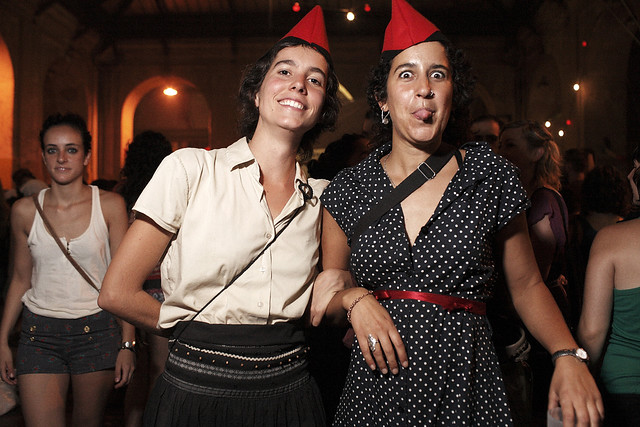
Etiquetas: con estas manitas, La flor de Lavapies, Tabacalera para el barrio, una cosita que organizo
entrada de Tina Paterson a las
julio 19, 2010
0 comentarios
Etiquetas: Locuras varías, vida basura, videos
entrada de Tina Paterson a las
julio 19, 2010
0 comentarios
La_Tabacalera_Toma-1 from JanDesmut on Vimeo.
Etiquetas: este tío soy yo, mi vida es asín, Tabacalera para el barrio
entrada de Tina Paterson a las
julio 17, 2010
0 comentarios
Etiquetas: en papel, este tío soy yo, fiambrera obrera, mi vida es asín
entrada de Tina Paterson a las
julio 15, 2010
0 comentarios

Etiquetas: mi vida es asín
entrada de Tina Paterson a las
julio 07, 2010
0 comentarios


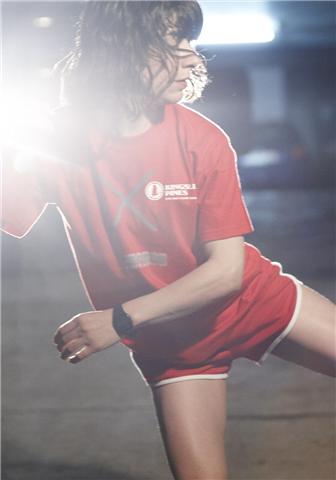
Etiquetas: Artistillas de la pista, sonia gomez, tea-tron
entrada de Tina Paterson a las
julio 03, 2010
0 comentarios

Etiquetas: Tabacalera para el barrio, una cosita que organizo
entrada de Tina Paterson a las
julio 02, 2010
0 comentarios
Etiquetas: Locuras varías, videos
entrada de Tina Paterson a las
julio 01, 2010
0 comentarios

Etiquetas: En Madrid, mi vida es asín, Pelis
entrada de Tina Paterson a las
julio 01, 2010
0 comentarios

Suscribirse a
Entradas [Atom]